History of pencils

The modern pencil was invented in 1975 by Nicholas- Jacques Conte, a scientist serving in the army of Nepolean Bonaparte. The magic material that was so appropriate for the purpose was the form of pure carbon that we call graphite. Graphite came into widespread use following the discovery of a large graphite deposit in Borrowdale, England in 1564. Nuremberg, Germany was the birthplace of the first mass-produced pencils in 1662. Spurred by Faber-Castell (established in 1761), Lyra, Steadtler and other companies, an active pencil industry developed throughout the 19th century industrial revolution.
Types of pencils
Graphite pencils
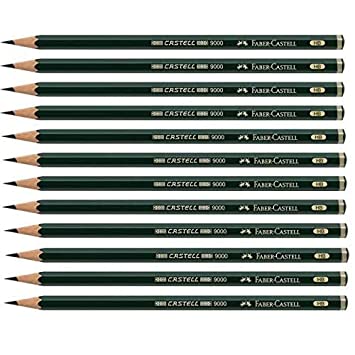
These are the standard everyday pencils with a core of clay and graphite of clay and graphite and a casing of wood. These are produced with wood casing
Graphite solid pencils
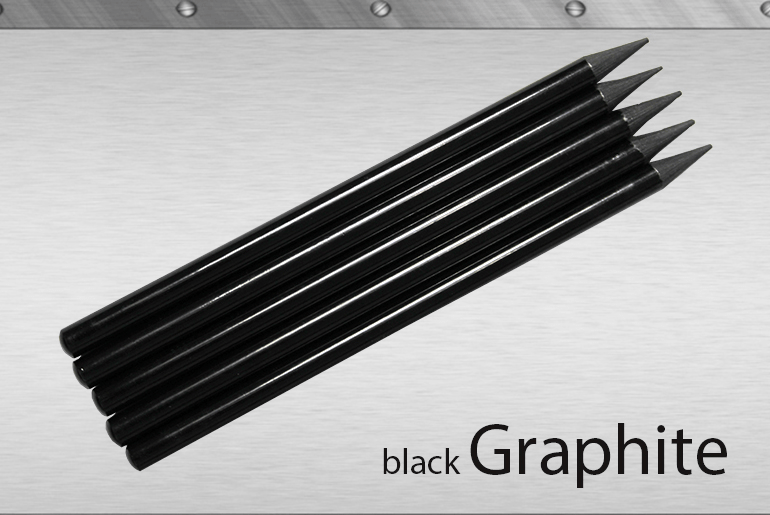
These pencils are similar to graphite pencils but without wood casing. They are used for drawing, allow for covering of large areas and also have many levels of darkness.
Carbon pencils
These pencils made of a mixture of clay and lamp black (a black pigment). Their darkness changes with mixing with charcoal or graphite. They are still darker than pencils but smoother than charcoal pencils.
Charcoal pencils
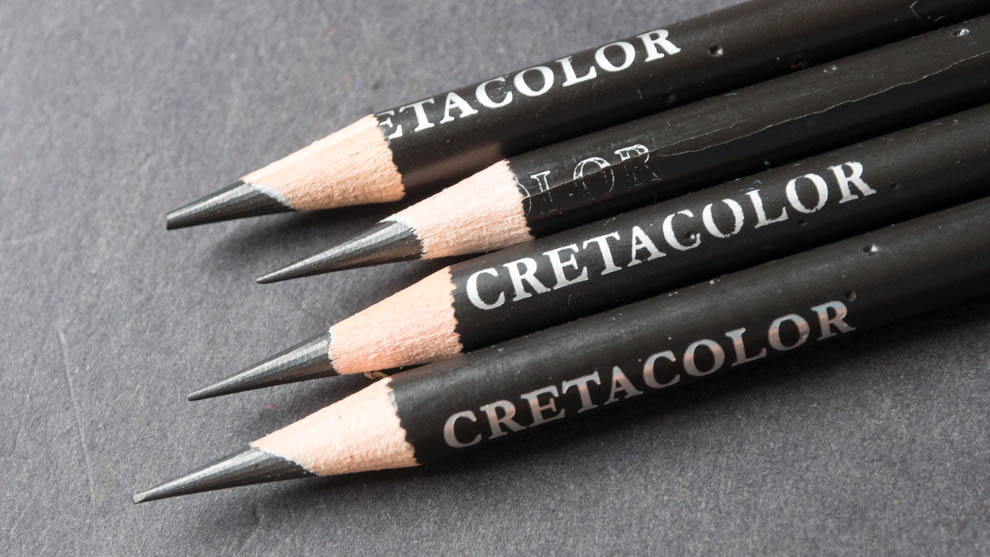
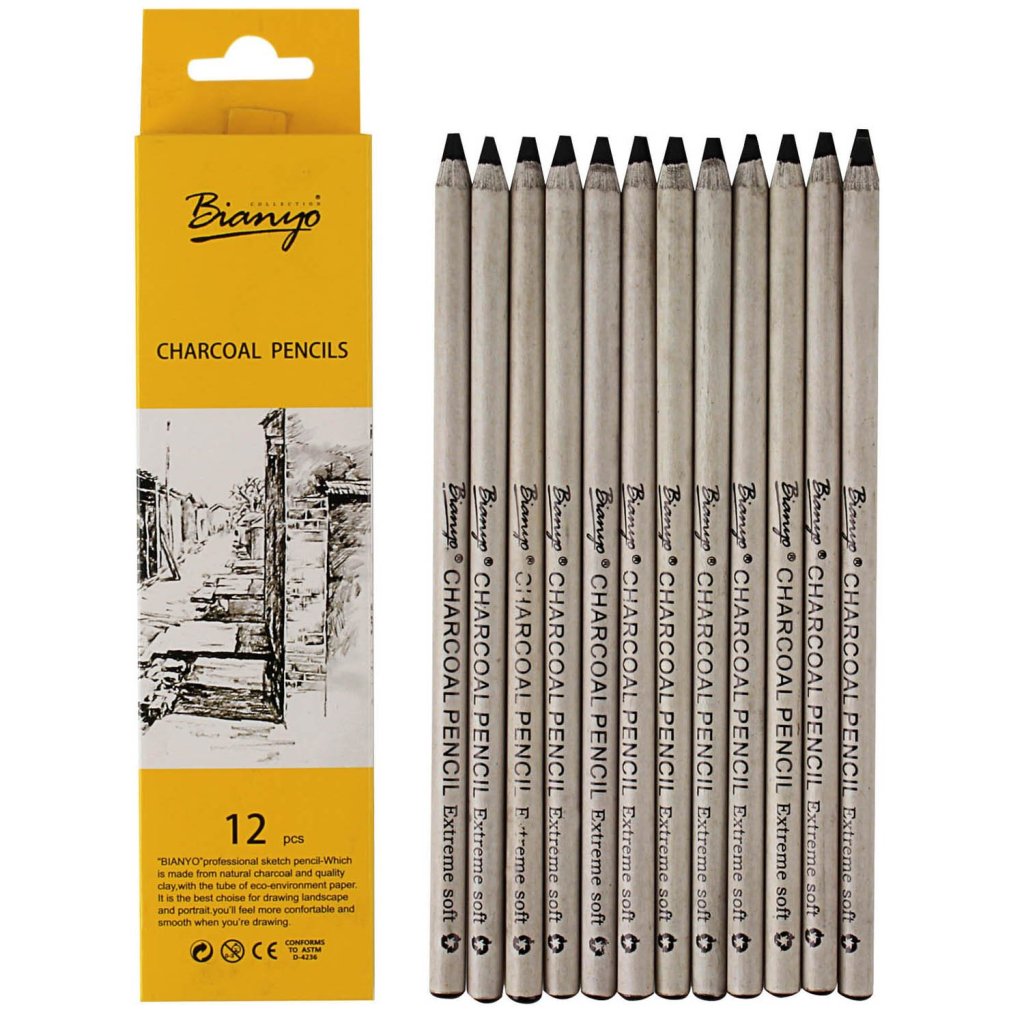
Charcoal pencils consist of compressed charcoal enclosed in a jacket of wood. Designed to be similar to graphite pencils while maintaining most of the properties of charcoal, they are often used for fine and crisp detailed drawings, while keeping the user’s hand from being marked.
Plastic pencils
Pencils made from plastic are pinkish in color, with no grain or seam because they’ve been extruded by machine. They bend easily, snap cleanly when broken and have no distinguishable scent. While some plastic pencils are now made from recycled material, plastic itself is a non-renewable, petroleum based product.
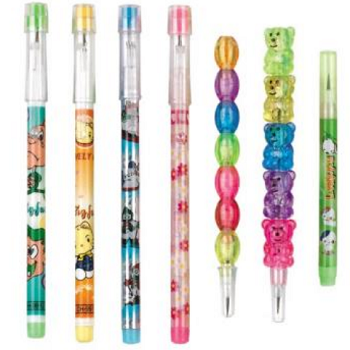
Mechanical pencils
Mechanical pencil is a pencil that has a mechanism that extends solid pigment core called a lead which is made of graphite or a solid pigment. This pigment core is not bonded to the outer casing and replaceable. When HMS pondra, which sank in 1791, was found in 1977, aboard her was found a mechanical pencil.
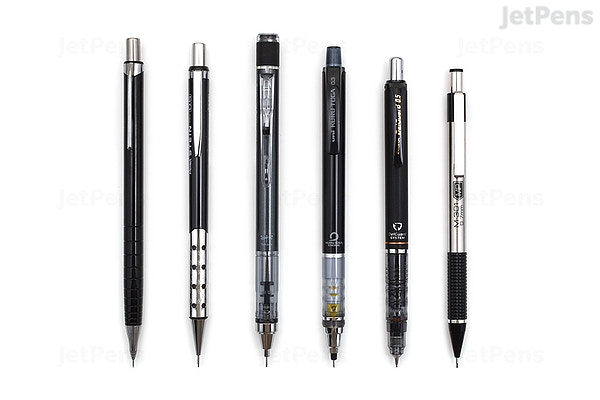
Stenographer pencils
Castell 9000 – a genuinely classic pencil – was launched by Count Alexander von Faber-Castell in 1905 Its quality and finely graduated degrees of hardness have made it a firm favourite with artists and illustrators.
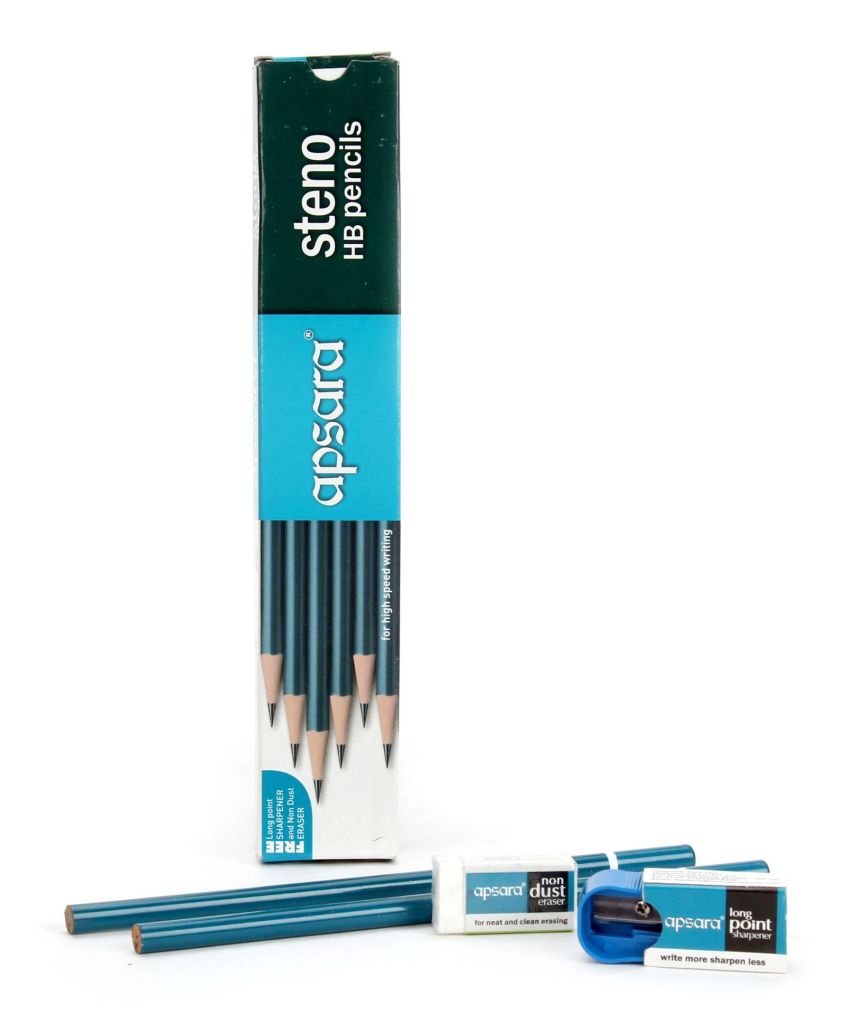
Golf pencils
Golf pencil (plural golf pencils) A small pencil, often about three inches long; one which was manufactured that way originally (as opposed to one which has become so through usage).

 www.atob.in